

At a glance:
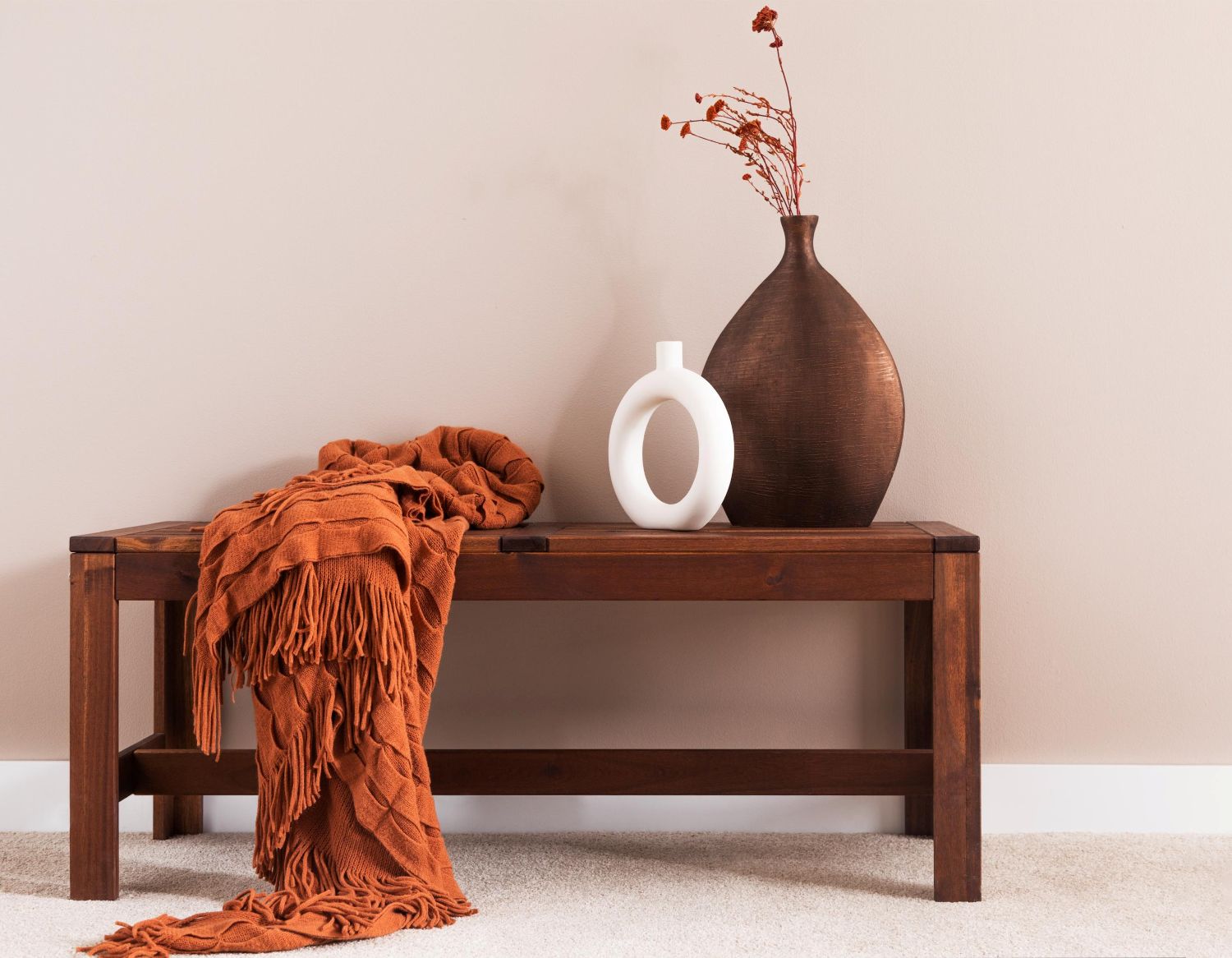
- Jarrah’s deep reddish-brown tones are perfectly placed within 2026’s shift back to rich, warm timber palettes.
- Matte black steel is one of the most popular contemporary pairings. It frames Jarrah without competing with it.
- Brushed brass amplifies Jarrah’s warm undertones and transitions a piece from functional to elevated.
- Natural stone, such as marble or travertine, creates warmth against cool precision, making it another compelling material combination of the moment.
- Earthy wall colours like olive, clay, and warm white complement Jarrah beautifully; cool greys and icy blues may clash with it.
There’s a shift happening in Australian interiors. The pale, ashy timbers that dominated the last decade are giving way to something warmer, deeper, and more grounded. The Neo Deco movement — named by Pinterest Predicts and widely defined by dark woods, marble, brass, and heritage craftsmanship — places exactly these qualities at the centre of 2026’s most considered interiors. Rich wood tones are back. And Jarrah, with its burgundy-to-chocolate palette and tight, expressive grain, fits naturally within that world.
Jarrah is a Western Australian timber in the truest sense. It grows slowly in the soils of WA’s southwest forests, developing a density and depth of colour that can’t be rushed or replicated. At Jarrimber’s Osborne Park workshop, we’ve been shaping it by hand since 2009, and the questions we hear most often aren’t about price or dimensions. They’re about how to style Jarrah furniture so it feels like it belongs.
Understanding what works alongside Jarrah, and why, is what separates a room that feels right from one that falls flat, and that’s what this guide walks through.
Why Matte Black Metal Works So Well with Jarrah
Of all the material combinations gaining traction in 2026, Jarrah with matte black metal comes up most often. Think of black steel legs on a Jarrah dining table or a Jarrah coffee table with a powder-coated black frame. Both of these pairings read as contemporary without stripping the warmth out of a room.
The reason it works is contrast without conflict. Matte black is quiet. It doesn’t overshadow Jarrah’s colour; it frames it. The result is furniture that looks considered and current, without needing a full room restyle to support it.
This match has strong cross-industry support. Heritage Components’ 2026 interior trends report notes that natural wood combined with muted metal finishes creates “quiet visual interest”. It’s a pairing that feels considered rather than contrived, and reads well in open-plan spaces where the flooring is timber or polished concrete, and the palette is simple.
At Jarrimber, dining table leg styles can be customised, a detail worth knowing if you’re designing around this pairing. Whether you prefer a classic timber base or modern steel legs, every piece can be made to suit your space exactly.
How Brushed Brass Elevates the Warmth of Jarrah
In addition to matte black, warm metal tones are having a moment in 2026. Brushed, aged, and satin iterations of brass are being used across living spaces by designers who want textural intrigue without flash. King Living’s 2026 interior design trends guide places brass inlays and metallic accents firmly within the year’s design direction, describing them as details that “shift the entire tone of a room.” For Jarrah, the pairing is particularly natural. The amber and gold undertones in brushed brass pick up the red-brown warmth of the timber and amplify it rather than competing with it.
A brass pendant above a Jarrah dining table, brass drawer pulls on a Jarrah buffet, or brushed brass tapware near a Jarrah bathroom vanity: each of these moves a piece of furniture from purely functional to thoughtfully curated. The key is restraint. Brass works as an accent, not a dominant material. Two or three points of warm metal in a room are enough to create cohesion.
The finish matters too: satin and aged brass suit Jarrah better than polished brass. The softer, more muted tone aligns with the organic, handcrafted quality of the timber. Polished brass tends to read as formal, while brushed brass reads as quietly refined.
Pairing Jarrah with Natural Stone for a Refined Result
If you’re working on a kitchen renovation or selecting a feature wall finish, Jarrah paired with stone is one of 2026’s strongest material combinations. King Living’s 2026 trends guide highlights matte stone and organic materials as central to this year’s interior design pivot. Senior designer Alinta Lim describes them as bringing “quiet poetry to a space” and a sense of calm that makes a home “feel human.” Paired with Jarrah’s reddish warmth, stone creates exactly that balance: cool precision grounded by natural timber.
Marble and travertine, whether in their natural form or as engineered slabs, create warmth against cool precision when placed beside Jarrah. This could take several forms: a Jarrah island bench with a marble top, a travertine feature wall behind a Jarrah TV unit, or a stone coffee table base alongside a Jarrah occasional piece. In each case, the timber brings the character, and the stone brings the structure.
Travertine tends to appear softer and more organic next to Jarrah than white marble does. Darker, vein-heavy marbles can work beautifully but need a lighter surrounding palette to breathe. If you’re pairing Jarrah with stone in a smaller space, keep the walls and textiles pale to avoid the room feeling constricted.
Choosing the Right Wall Colour to Complement Jarrah Furniture
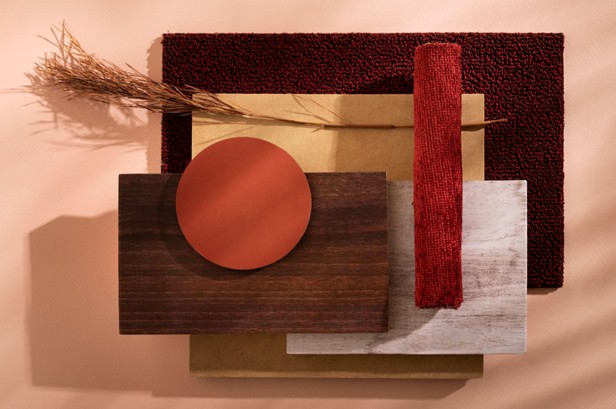
Wall colour is where the styling of Jarrah furniture either comes together or falls flat. Cool greys and icy blues work against the timber’s warmth, flattening the richness of the grain rather than letting it read at its best.
Earthy, warm tones do the opposite. Olive greens, warm clay, soft terracotta, and warm whites all ground Jarrah beautifully. These shades sit in the same tonal family as the timber and let the grain and colour read at their best. This is consistent with the RTA Cabinet Blog’s wood trends overview for 2026, which describes this year’s design as firmly “leaning toward warmth” across timber and colour alike.
In 2026, the colour drenching trend — painting walls, ceiling, and trim in the same tonal palette — makes bolder, deeper colour choices a viable option for rooms anchored by Jarrah pieces. Lim describes colour drenching as wrapping a room in atmosphere. In her words, it’s “when the walls, ceiling and furniture share a tonal language, the room becomes a world of its own.” A room saturated in deep olive or warm clay, with a Jarrah dining table as the centrepiece, is an effective example of that done well.
For those who prefer a lighter room, warm whites with a yellow or pink undertone are the reliable choice. Think beeswax white or aged linen rather than stark Dulux white. The warmer the base, the better Jarrah performs.
One other factor to consider is natural light. A north-facing room with good light will make almost any warm wall tone sing beside Jarrah. A south-facing room needs even more care with colour to keep the space from feeling cool.
Styling Jarrah Furniture Room by Room
The practical question most people have when learning how to style Jarrah furniture isn’t about individual pairings. Rather, it’s about how those translate into actual rooms. Here’s how each space tends to work best.
Dining room
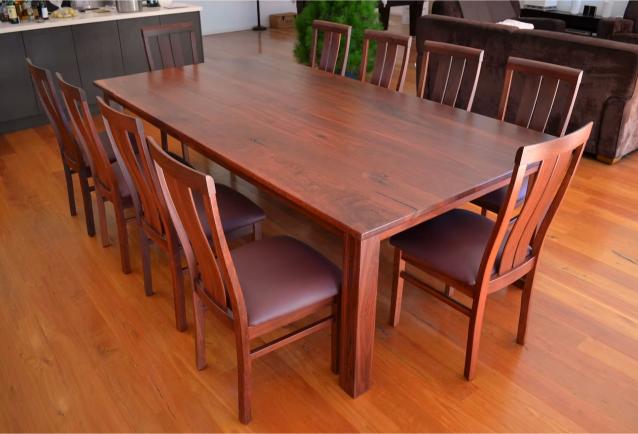
The dining room is where Jarrah feels most at home. A Jarrah dining table with steel or timber legs, brass pendant lighting overhead, linen or textured fabric chairs in a warm neutral, and walls in clay or warm white create a setting that’s cohesive and built to age well.
Living room
In the living room, let one or two Jarrah pieces set the tone rather than filling the space with them. For instance, a Jarrah coffee table with a linen sofa and a textured wool rug in earthy tones creates warmth without weight. A Jarrah buffet against a painted wall in olive or warm terracotta, dressed with brass handles and a couple of plants with broad dark leaves, brings in natural contrast without competing for attention.
Bedroom
Jarrah bedroom furniture pairs beautifully with linen bedding in warm whites, raw cotton, or soft sage. Our Bedfordale Bed is a piece that sits particularly well in this kind of setting. The deep Jarrah grain against pale natural fabric creates exactly the quiet, grounded warmth that makes a bedroom feel intentional rather than assembled. Brass or aged bronze hardware on drawers and cabinetry carries that depth through the rest of the room.
Mixing Jarrah with Other Timber Species
Jarrah sits comfortably beside other timber species, and some of the most considered rooms layer more than one. For instance, Jarrah with Marri, or Jarrah alongside Tasmanian Oak flooring create depth and warmth that a single-species room can lack. Woodgrain’s top ten interior trends for 2026 notes that mixing timber tones is becoming a defining look for the year, with homeowners moving away from the idea that all finishes must match perfectly.
That said, not every timber sits well with Jarrah, and the difference usually comes down to temperature. Jarrah’s deep reddish-brown works best next to other warm-toned species. Cool-toned or very light woods don’t sit naturally with it, and the pairing can feel accidental instead of intentional.
Marri is one of the most natural companions for Jarrah. It’s honeyed, grain-forward character works well with Jarrah’s deeper, more uniform tones. As a result, the two complement rather than compete. Our Jarrah vs Marri guide covers the key differences and explains where each one works best.
Ready to Find Your Piece?
Jarrah is a timber that rewards thoughtful pairing. From the dining room to the bedroom, it transitions between spaces with ease. It’s compelling enough to anchor a living room, yet refined enough to hold its own in a kitchen or ensuite. Get the material combinations right, and a single piece of handcrafted Jarrah furniture can transform a room.
At Jarrimber, every piece is made to order in our Osborne Park workshop. Whether you’re looking for a Jarrah dining table, a coffee table, a buffet, or bedroom furniture built to your exact dimensions, we’ll work with you to get it right.
Explore our Jarrah furniture range or get in touch to discuss a custom piece.
Frequently Asked Questions
Does Jarrah furniture suit modern interiors?
Yes. Jarrah’s deep grain and rich colour work across a wide range of styles, from contemporary open-plan homes with steel accents and polished concrete floors, to more traditional spaces with traditional detailing. The key is pairing it with modern elements like matte black metal or brushed brass rather than heavy, ornate accessories.
What colour should I paint my walls with Jarrah furniture?
Earthy, warm tones — such as olive, clay, warm white, and soft terracotta — work best with Jarrah. Avoid cool greys, icy blues, and stark whites with silvery undertones. These pull the warmth out of the timber and tend to make it appear muddy. If you’re unsure, a warm white with a yellow or linen undertone is a reliable starting point.
Can Jarrah furniture work in a light, bright room?
Absolutely. The key is choosing the right surrounding palette. Light rooms with warm-white walls, natural linen textures, and pale stone benchtops create a beautiful contrast with Jarrah. The timber reads as a grounding element rather than making the space feel dark.
Is Jarrah furniture hard to maintain?
Jarrah is one of Australia’s hardest native timbers, which makes it highly resistant to dents and everyday wear. For indoor pieces finished in epoxy or polyurethane lacquer, regular dusting and wiping with a damp cloth is all that’s needed. For outdoor Jarrah, oiling every six to 12 months with a quality product like Osmo Oil will preserve the colour and protect it from the elements.
What metals work best with Jarrah furniture?
Brushed brass and matte black are the strongest options in 2026. Brushed brass amplifies Jarrah’s warm undertones, while matte black frames the timber with contemporary contrast. Polished chrome and cool-toned metals often detract from Jarrah’s warmth. If you’re working with mixed metals across a room, anchor the scheme with one of these two finishes and use the other as a secondary accent for the best result.