

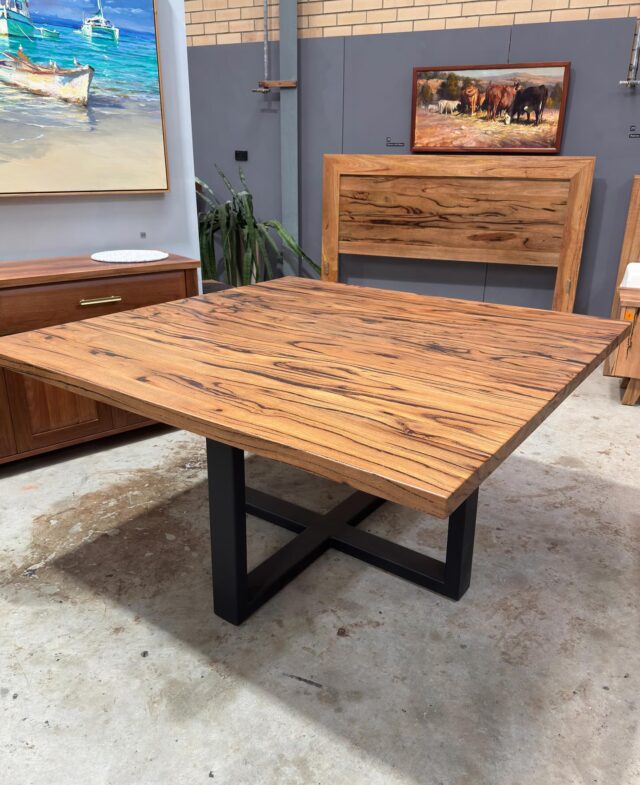
Refinishing or selecting the best timber for table tops isn’t just a maintenance task — it’s a design decision that affects how your dining room looks and feels. From classic Blackwood to durable Jarrah and the ever-popular American Oak, the timber you choose (or restore) can turn a table into a true centrepiece.
Why timber is a standout choice
Timber has always been a favourite for dining tables because of its warmth, beauty and strength. Unlike metal or glass, a solid timber table ages gracefully and often improves with time. When it needs a refresh, timber table refinishing can transform your space without the cost or waste of buying new.
Hardwood dining table top options – what to look for

When choosing the best timber for table tops, hardwoods are always the frontrunners. They offer better durability, richness of colour and long-term value.
Jarrah
Jarrah furniture is known for its deep red hues and toughness. It’s a favourite in Australian homes and holds up extremely well against wear and tear. Expect it to darken and grow richer over time.
Marri
Marri furniture with its bold gum veins and golden colour is full of character. While a little softer, it still performs well with the right care and creates a showstopping table top.
Blackwood
Blackwood timber is versatile and works in both modern and traditional interiors. It’s easy to work with and takes stain beautifully, making it a flexible option for custom finishes.
Tasmanian Oak
Clean, neutral, and subtly grained, Tasmanian oak timber suits minimal and coastal aesthetics. It’s strong and reliable, often used in high-use settings like dining and kitchen tables.

Timber table refinishing – a step-by-step overview
Got an older table that’s still structurally sound? Refinishing it might be the best move. Here’s how to bring it back to life.
Refinishing a timber table top is one of the most satisfying ways to breathe new life into your dining space. Whether it’s a family heirloom or a well-loved piece showing its age, this DIY project is well worth the effort — and easier than you might think.
Step 1: Get the right tools and materials
Before starting, gather everything you’ll need for your timber table refinishing project:
- 1) Sandpaper (coarse, medium, and fine grits)
- 2) Orbital or belt sander (optional, but helpful)
- 3) Paint or varnish stripper (if needed for thick coatings)
- 4) Brushes, tack cloths, and lint-free rags
- 5) Your chosen finish: stain, oil, varnish, or paint
- 6) Mineral turpentine
- 7) Protective gear: gloves, dust mask, goggles
- 8) Drop sheets to protect floors and nearby furniture
Step 2: Clean the surface thoroughly
Use a damp cloth and a mild, all-purpose cleaning spray to wipe down the entire table top. This removes surface dirt, grease, and residue so you’re not sanding them into the timber later on. Make sure it’s completely dry before moving on.
Step 3: Strip off the old finish
You’ll need to remove the existing finish before applying a new one. There are two ways to go about this — sanding or stripping — depending on the condition of your table.
Option A: Sanding
This is ideal if the finish is thin or already wearing away. Lay down drop sheets and wear your safety gear. Start with a coarse grit (60–80) sandpaper using a sanding block or an orbital sander. Always sand with the grain of the wood.
Once the topcoat is removed, clean away the dust with a tack cloth, then go over the surface again with medium (120) and fine (180–220) grit to smooth it out.
Option B: Using a paint or varnish stripper
If the table has a thick, sticky varnish or layered finish, apply a paint or varnish stripper in a thick, even layer across the surface. Cover the table in plastic wrap to stop it drying out and leave it for around 36 hours.
When the finish has lifted, use a metal putty knife to gently scrape off the loosened material. Repeat the process as needed until the timber is fully exposed. Once stripped, apply some stain remover if needed, leave overnight, and sand thoroughly.
Step 4: Wipe down with mineral turps
Once the surface is stripped and sanded, give the table a final clean with mineral turpentine. This removes any lingering dust or oils and ensures the surface is ready to accept the finish evenly.
Step 5: Apply your chosen finish
This is where you can get creative and match the finish to your aesthetic. The best timber for table tops deserves the right kind of protection and enhancement, so choose wisely.
Staining
Stains are great if you want to enhance the timber’s grain or change the tone.
Brush the stain along the grain and wipe off the excess with a cloth. For a darker colour, leave it on longer before wiping. You can apply multiple coats to build up depth. Sand lightly between coats with fine-grit sandpaper, then apply 3–4 coats of polyurethane for a protective seal.
Varnishing
Varnish adds a glossy, protective layer while preserving the natural timber look.
Stir your varnish well (don’t shake it) and apply with a brush, going with the grain. Watch for runs or drips and smooth them as you go. Once dry, give it a gentle sand with fine-grit paper before applying a second coat.
Painting
If you’re opting for a painted look, apply a primer first and let it dry completely.
Lightly sand the primed surface and then apply your paint colour in even strokes. Once dry, seal the surface with a clear water-resistant varnish to make it more durable for daily use.
Oiling
Oil finishes like Danish oil or tung oil bring out the natural beauty of hardwoods.
Apply with a rag, let it soak into the wood, then wipe off any excess. Repeat this process until the timber no longer absorbs oil. Oiling nourishes the timber from within and creates a matte, organic finish.
Step 6: Let it cure
Whether you’ve chosen oil, stain, varnish or paint, the finish needs time to harden and cure. Leave the table untouched for several days to ensure a long-lasting, damage-resistant surface.
Caring for your timber table top
Even the best timber for table tops needs love. Protect it from heat, spills and scratches using placemats and coasters. Clean with a soft, damp cloth—don’t use harsh chemicals. If oiled, plan to reapply every 12–18 months based on use and wear.
Showcase craftsmanship with Jarrimber
Every Jarrimber table is handcrafted from premium Australian hardwoods. Whether it’s Jarrah, Marri, Blackwood or Tasmanian Oak, our pieces celebrate natural beauty, durability and thoughtful design. We believe the best timber for table tops is the one that combines form and function — and we tailor each table to your lifestyle.

Choose the best timber for table tops and make it last
Refinishing a table top isn’t just a weekend project; it’s a chance to restore the soul of your dining space. Whether you’ve used a deep oil to revive hardwood tones or applied a sleek new finish for a modern touch, taking the time to do it right pays off in both durability and design.
That said, your finished result is only as good as the timber you start with. Choosing the best timber for table tops makes all the difference. It’s not just about looks, it’s about strength, stability, and timeless appeal. At Jarrimber, we craft solid timber furniture using sustainably sourced Australian hardwoods, designed to stand up to real life while looking exceptional for years to come. If you’re unsure which finish to use, or if your table top needs a little more than a weekend revival, we’re here to help. Visit our showroom, browse our timber dining tables online, or contact us for expert advice on timber table refinishing and handcrafted furniture built to last.